 |
 |
 |
 |
 |
 |
 |
 |
 |
|||
 |
 |
|
|||||||
 |
|||||||
 |
|||||||
 |
|||||||
 |
|||||||
|
|||||||






|
||||||
 |
||||||
 |
||||||
 |
||||||
|






 |
 |
 |
 |
 |
 |
 |
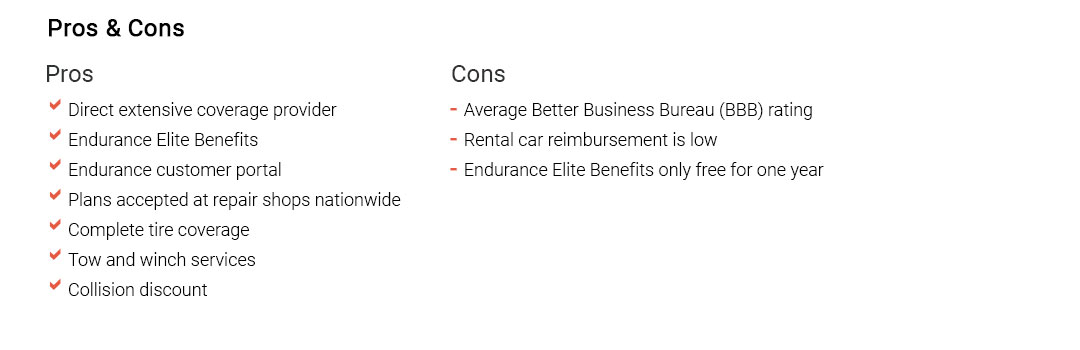
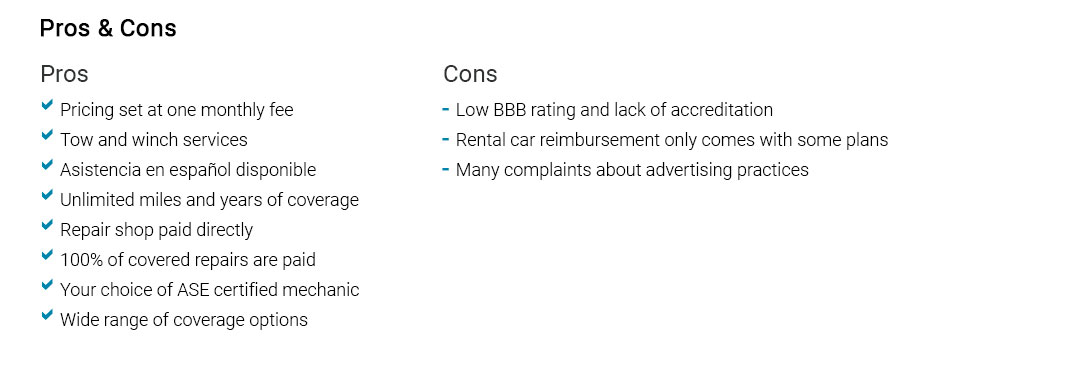
express protect extended auto warranty: clear-eyed pros, cons, and fast checksYou want predictable repair costs without wasting hours comparing fine print. I do too. The point here is simple: evaluate fast, trust what's in writing, and decide with confidence. What it is and how it worksThis is a service contract that kicks in after your factory coverage fades. You pay a set price (often with a chosen deductible), and in return get listed-component coverage, roadside help, and usually rental reimbursement while your car is in the shop. Claims typically require pre-authorization, and covered work is paid directly to the repair facility - less your deductible. Pros and cons at a glancePros
Cons
A quick real-world momentOn a cold Tuesday, the check engine light blinked during a 7:10 a.m. commute. I hesitated - do I gamble and keep driving? - then called claims. Tow showed, shop diagnosed a failed coil pack and harness. Pre-authorization approved, rental covered. I paid the deductible, picked up the car next day, and made the 9 a.m. meeting. Smooth beats stressful. Coverage details worth verifying
Costs and valuePrice hinges on mileage, model complexity, term length, and deductible. A higher deductible usually lowers upfront cost but raises per-visit expense. Paying in full may be cheaper than rolling into financing. If the vehicle is reliable and you drive low miles, the math might not pencil out. If one major repair could strain your budget, coverage can be a pressure valve. Trust signals before you sign
Who benefits mostOwners planning to keep the car past factory warranty, drivers with long commutes, and vehicles with complex tech or turbo/hybrid/EV systems. If you maintain your car meticulously and keep robust savings, you might skip it. Lease short-term? Less compelling. Quick decision grid
Small hesitation, answeredI paused over the exclusions page, then verified ADAS module coverage and called my shop to confirm labor rates. That two-minute check settled it. Evaluate express protect extended auto warranty efficiently
Bottom line: trust the paperwork, measure the risk, and choose the path that keeps you moving with minimal hassle - whether that's buying coverage or banking the cash.
Main Topic:
Extended Auto Warranty
https://www.bbb.org/us/mo/saint-louis/profile/auto-service-contract-companies/express-protect-llc-0734-310607666
Auto Service Contract Companies, Auto Warranty Plans, Extended Warranty ... https://www.expressprotection.com/Asset-Protection/Service-Contract.html
Extending your vehicle's coverage is the best hedge against unexpected repair costs. The peace of mind knowing you are protected from a large claim which ... https://expressauto.com/pre-owned-warranty/
extended protection. Other dealers charge up to $2,500 for this level of ...
|
